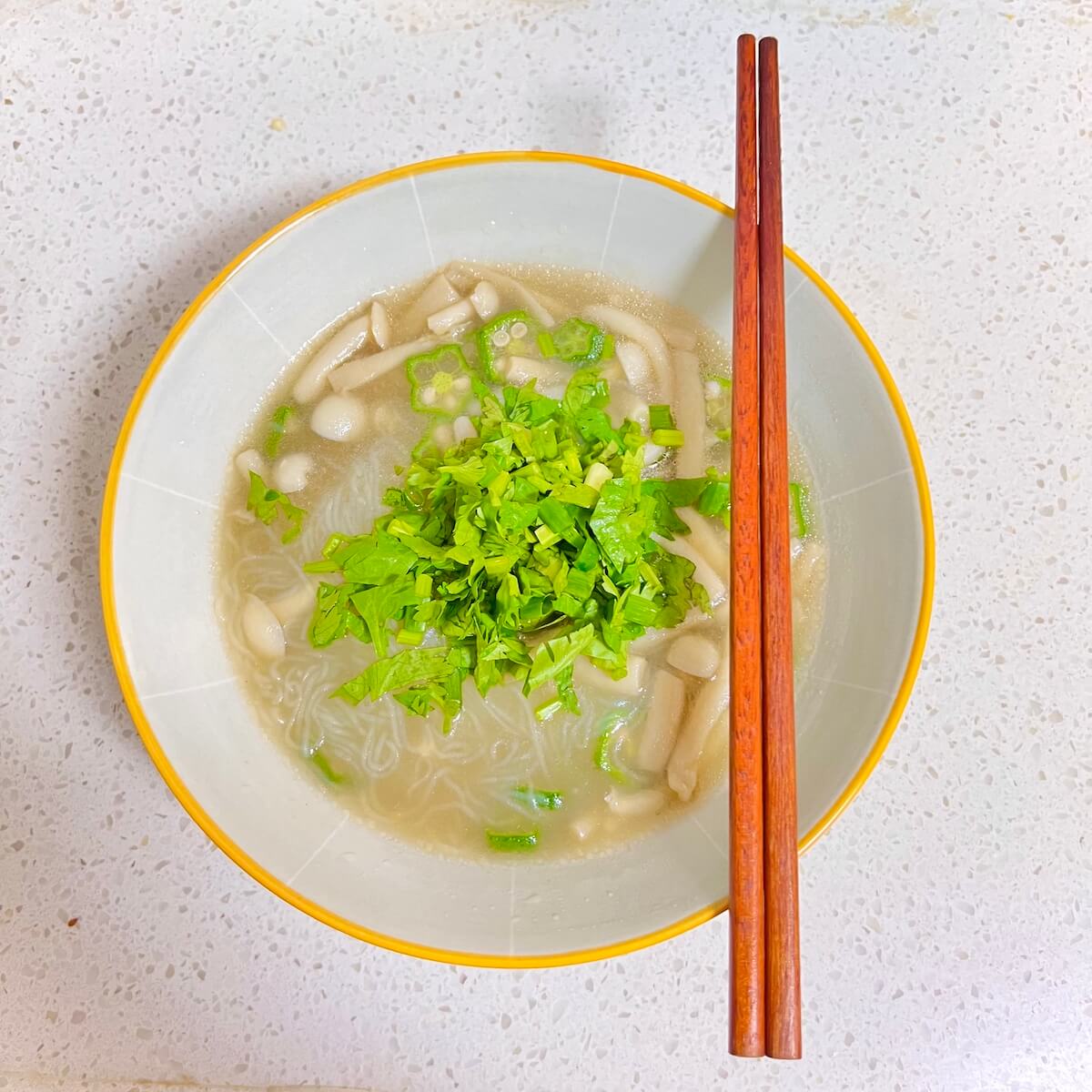
Shimeji Secrets: Elevate Your Chinese Mushroom Noodle Soup
There's a special kind of comfort that only a steaming bowl of homemade Chinese Mushroom Noodle Soup can provide. Forget the often-disappointing takeout versions with their flat broths and soggy noodles. Crafting your own allows for a symphony of fresh flavors, vibrant textures, and unparalleled satisfaction. Today, we're diving deep into the heart of this beloved dish, with a spotlight on a particular star ingredient that truly elevates it: the humble yet remarkable Shimeji mushroom.
Shimeji mushrooms, also known as white beech mushrooms, are the secret weapon to transforming a simple noodle soup into an extraordinary culinary experience. Their unique properties not only add depth and umami but also introduce a delightful textural contrast that sets this soup apart. Prepare to unlock the full potential of your next bowl of chinese mushroom noodle soup, creating a dish that's both quick to prepare and incredibly flavorful, winning over family and friends with every slurp.
Unlocking the Magic of Shimeji Mushrooms
At the core of an exceptional chinese mushroom noodle soup lies the choice of mushrooms, and Shimeji reign supreme. These elegant, slender-stemmed fungi, often found in both white and brown varieties, are named "beech mushrooms" because they traditionally grow on the logs of downed beech trees. More than just a pretty face, Shimeji bring a wealth of benefits to your soup that go beyond basic button mushrooms.
What makes Shimeji so special? Firstly, their flavor profile is distinctively delicate yet rich, offering a subtle nuttiness and a pronounced umami punch that enriches the broth without overpowering it. This natural depth allows you to keep seasoning minimal, letting the true flavors of your ingredients shine through. Secondly, and perhaps most uniquely, Shimeji mushrooms retain a delightful, slightly firm, and almost crunchy texture even after cooking. This textural contrast is a game-changer, preventing the mushroom from becoming waterlogged or rubbery and adding an exciting dimension to each spoonful alongside soft noodles and tender vegetables.
Beyond taste and texture, Shimeji are also a nutritious powerhouse. They're low in calories, high in fiber, and packed with vitamins and minerals, contributing to the overall healthfulness of your soup. While common button mushrooms can be a decent substitute if Shimeji are unavailable, making the effort to find these exquisite fungi, typically at Asian markets or specialty grocery stores, is highly recommended for the authentic experience. When selecting Shimeji, look for firm, clean clusters with intact caps, and store them in the refrigerator, ideally in a paper bag, to maintain their freshness.
The Art of the Noodle: Perfecting Your Vermicelli
Just as important as the mushroom choice is the noodle selection and preparation. For an authentic chinese mushroom noodle soup, rice vermicelli are a popular and excellent choice. These thin, delicate rice noodles are familiar from dishes like Singapore noodles and are renowned for their ability to absorb the rich flavors of the broth. However, many home cooks and even takeout establishments often fall short in preparing them, leading to bloated, mushy noodles that detract from the overall experience.
The secret to perfectly cooked rice vermicelli lies in a simple, often overlooked step: pre-soaking in cold water. While many recipes might suggest adding dried noodles directly to boiling water, this often leads to uneven cooking and a gummy texture. By first soaking your dried vermicelli in cold water for 15-30 minutes (or until pliable but not fully soft), you allow the noodles to rehydrate gently. This crucial step significantly shortens their subsequent cooking time in hot broth, ensuring they cook quickly and evenly to an ideal al dente tenderness. The result is springy, delicious noodles that are never bloated or waterlogged, providing the perfect counterpoint to the crisp Shimeji and fresh vegetables.
Rice vermicelli are incredibly versatile in Chinese cuisine – they can be stir-fried, deep-fried, boiled, or steamed. For our soup, the boiling method (after pre-soaking) is ideal, allowing them to meld seamlessly with the savory broth. If rice vermicelli aren't your preference, other options like fresh chow mein noodles or even ramen noodles (discarding the seasoning packet) can work, as seen in some variations. However, for the true "My Chinese Home Kitchen" experience, the thin rice vermicelli paired with the gentle chew of Shimeji is unbeatable. For a deeper dive into noodle mastery, don't forget to check out our guide: Perfect Chinese Mushroom Noodle Soup: Soaking Vermicelli for Success.
Beyond the Basics: Crafting a Flavorful Broth and Harmony of Ingredients
A truly outstanding chinese mushroom noodle soup isn't just about the star ingredients; it's about the synergistic harmony of every component, especially the broth. While some takeout broths can be flat and uninspired, homemade versions allow you to build layers of exquisite flavor. Start with a high-quality stock – whether it's chicken or vegetable stock, ensure it has a good foundation of flavor. This will be the canvas for your culinary masterpiece.
Alongside Shimeji mushrooms, other key ingredients play supporting roles in creating a balanced and nutritious bowl. Onions provide a sweet base, while fresh garlic adds an indispensable aromatic kick. Okra, an often-underestimated vegetable in Chinese cuisine, contributes a unique texture and subtle sweetness, while also boosting the soup's nutritional profile. For those who appreciate a vibrant green finish, fresh scallions are a must, stirred in at the very end to retain their crispness and pungent freshness.
To further enhance the broth, a few select seasonings are used sparingly to allow the natural flavors to shine. A splash of sherry or rice wine adds a layer of sophisticated depth, while a touch of lemon juice or rice vinegar provides a bright, tangy counterpoint that cuts through the richness. A dash of sesame oil lends a nutty aroma, and for those who enjoy a little heat, a few drops of hot pepper sauce can awaken the palate. The key here is balance – you want to complement, not mask, the natural deliciousness of the mushrooms and vegetables. Experiment with a touch of ginger for an extra layer of warmth, or consider adding thinly sliced tofu for added protein and texture.
Whip It Up Fast: Your Guide to a Quick & Easy Homemade Bowl
One of the most appealing aspects of a well-crafted chinese mushroom noodle soup is how quickly it comes together, proving that gourmet flavors don't always require hours in the kitchen. This recipe is perfect for weeknights, often taking less than half an hour from start to finish, a stark contrast to the often-bloated noodles and waterlogged vegetables found in typical takeout orders. The secret to its speed lies in efficient preparation and a simple, direct cooking method.
Here’s a practical step-by-step guide to achieving your perfect bowl:
- Prep Your Ingredients: Begin by soaking your rice vermicelli in cold water. While they rehydrate, slice your mushrooms and onions, mince your garlic, and chop your scallions. Having everything ready (mise en place) is crucial for speed.
- Sauté Aromatics and Mushrooms: In a large saucepan, heat a little vegetable oil over medium heat. Add your sliced Shimeji mushrooms and minced garlic, cooking for just a couple of minutes until the mushrooms start to soften and release their aroma. This quick sauté enhances their flavor and texture.
- Build the Broth: Pour in your chicken or vegetable stock along with a couple of cups of water. Bring the mixture to a rolling boil, allowing the flavors to meld.
- Add Noodles and Flavorings: Once boiling, add your pre-soaked, now pliable noodles, along with sherry or rice wine, lemon juice or rice vinegar, sesame oil, and a dash of hot pepper sauce if desired. Reduce the heat, cover, and let it simmer gently for just 2-3 minutes. This short cooking time is sufficient for the pre-soaked noodles.
- Finish and Serve: Stir in your chopped scallions and ladle the hot soup into bowls. Serve immediately to enjoy the best texture of the noodles and the crispness of the Shimeji.
This streamlined process ensures that every component is cooked to perfection, resulting in a vibrant, flavorful, and incredibly satisfying soup that easily doubles as a main dish. It’s the ultimate antidote to mediocre takeout, proving that delicious, wholesome Chinese food is well within reach for any home cook. For more details on ditching the delivery, see our article: Easy Homemade Chinese Mushroom Noodle Soup: Skip the Takeout.
Embracing the secrets of Shimeji mushrooms and mastering the art of noodle preparation will undoubtedly elevate your chinese mushroom noodle soup from good to truly exceptional. This homemade version offers a depth of flavor, a delightful interplay of textures, and a level of freshness that takeout simply cannot match. It��s a testament to the idea that simple ingredients, thoughtfully prepared, can create truly extraordinary culinary experiences. So, gather your Shimeji, soak your vermicelli, and prepare to savor a bowl of warming comfort that you'll be proud to call your own.
