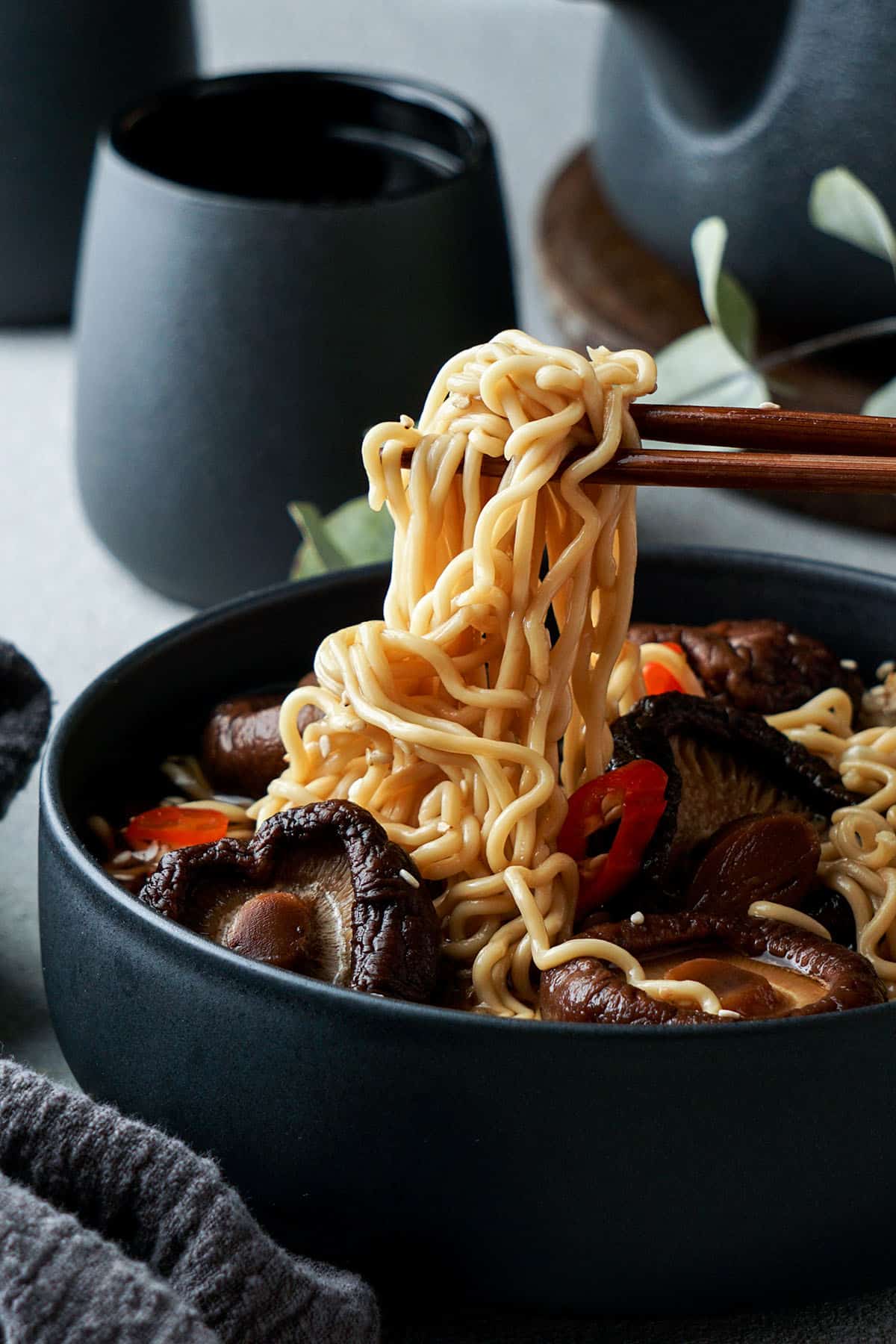
Perfect Chinese Mushroom Noodle Soup: The Art of Soaking Vermicelli for Success
There's something incredibly comforting about a steaming bowl of Chinese mushroom noodle soup. It's a dish that promises warmth, vibrant flavors, and satisfying textures. Yet, many of us have experienced the disappointment of takeout versions – often marred by bloated, mushy noodles, waterlogged vegetables, and a broth that falls flat. The good news? Crafting a superior, restaurant-quality
Easy Homemade Chinese Mushroom Noodle Soup: Skip the Takeout is not only achievable but surprisingly quick, especially when you unlock one crucial secret: the perfect preparation of your vermicelli noodles.
This isn't just about throwing ingredients into a pot; it's about understanding the subtle techniques that elevate a simple soup into a culinary triumph. And at the heart of this transformation lies a often-overlooked first step: properly soaking your dried vermicelli.
The Secret to Superior Vermicelli: Why Cold Soaking Matters
The most common culprit behind a disappointing noodle soup is poorly cooked noodles. Dried vermicelli, thin rice noodles famed for their delicate texture, are incredibly versatile, finding their way into stir-fries, deep-fried spring rolls, and, of course, delicious soups. However, when prepared incorrectly for soup, they can quickly turn from delicate strands into a gluey, overcooked mess, soaking up all your flavorful broth and leaving you with a starchy, unappealing meal.
The key to avoiding this common pitfall is a simple, yet profoundly effective, technique:
cold water soaking. Before your vermicelli ever touches the heat, it needs time to hydrate gently. Here’s why this seemingly minor step makes all the difference:
*
Gentle Hydration: Soaking dried vermicelli in cold water allows the noodles to slowly absorb moisture. This process rehydrates them from the inside out, rather than shocking them with sudden heat. When noodles are boiled directly from their dry state, the outside cooks much faster than the inside, leading to a mushy exterior while the core remains stubbornly hard, or quickly turning the entire noodle into an overcooked blob.
*
Preserving Texture: By pre-soaking, you significantly reduce the amount of time the noodles need to cook in the hot broth. This short burst of heat is just enough to warm them through and finish cooking them to a perfect al dente, ensuring they retain their delightful springiness and don't become bloated or overly soft. The result is vermicelli that maintains its structural integrity and delicate chew, enhancing the overall experience of your soup.
*
Preventing Starchiness: Direct boiling can release excessive starch into your broth, making it cloudy and slightly viscous. Pre-soaking helps to wash away some of the surface starch, contributing to a clearer, cleaner-tasting soup.
*
Efficiency: Soaking allows you to prepare your noodles in advance, streamlining the cooking process. You can set your vermicelli to soak while you chop vegetables and prepare your broth, making your
Easy Homemade Chinese Mushroom Noodle Soup: Skip the Takeout a truly quick and easy meal, ready in under 30 minutes.
How to Soak for Success: Simply place your dried vermicelli in a large bowl and cover completely with cold water. Let them soak for 20-30 minutes, or until they are pliable and soft, but still firm to the touch – they shouldn't be fully cooked. Drain thoroughly and set aside until your broth is ready. This seemingly small step is the foundational difference between mediocre and magnificent homemade Chinese mushroom noodle soup.
Crafting a Flavorful Broth: Beyond the Basics
A superb noodle soup is only as good as its broth. The disappointment of a "flat and tasteless" broth is a common complaint about takeout, but achieving a rich, nuanced base at home is surprisingly straightforward. While the reference context suggests letting the "natural flavor" shine, this doesn't mean skipping essential aromatics and subtle enhancements.
*
The Foundation: Start with a high-quality chicken or vegetable stock. If you have homemade stock, even better. This forms the backbone of your soup.
*
Building Aromatics: Before adding the stock, sautéing minced garlic and thinly sliced onion in a touch of vegetable oil creates an aromatic base that infuses the entire soup with depth. Many recipes also benefit from a few slices of fresh ginger, adding a warm, pungent undertone characteristic of Chinese cuisine.
*
Umami Boosters: A splash of light soy sauce introduces savory umami without overpowering the natural flavors. For an authentic touch, a tablespoon or two of rice wine or dry sherry, added after the aromatics have softened, can elevate the broth's complexity.
*
Brightening Notes: A dash of lemon juice or rice vinegar at the end can brighten the entire soup, cutting through richness and making the flavors pop.
*
Subtle Heat: For those who enjoy a little kick, a dash or two of hot pepper sauce can be added, allowing you to control the spice level to your preference.
*
Finishing Touch: A drizzle of sesame oil, added just before serving, lends a wonderful nutty aroma that completes the sensory experience of a perfect Chinese mushroom noodle soup. Remember to add sesame oil at the very end, as its delicate flavors can dissipate with prolonged cooking.
The synergy of these ingredients creates a broth that is far from bland, showcasing the natural sweetness of vegetables and the earthy notes of mushrooms, all while remaining balanced and clear.
The Magic of Mushrooms and Fresh Vegetables
The "mushroom" in Chinese mushroom noodle soup is, of course, a star ingredient. The choice of mushroom significantly impacts both flavor and texture.
*
White Beech Mushrooms (Shimeji): As highlighted in the reference, these are an excellent choice. Also known as Shimeji, they offer a delicate, slightly nutty flavor and, crucially, a satisfyingly
slightly crunchy texture even after being cooked. They typically grow on logs of beech trees and can be found in most Asian grocery stores. Their unique bite adds a wonderful contrast to the soft noodles and broth. For more insights on harnessing their potential, read about
Shimeji Secrets: Elevate Your Chinese Mushroom Noodle Soup.
*
Substitutions and Alternatives: If Shimeji aren't available, common button mushrooms are a perfectly acceptable substitute, though they will offer a softer texture. Other fantastic options include:
*
Shiitake Mushrooms: Offer a deep, earthy, and umami-rich flavor. Use fresh or rehydrate dried ones.
*
Enoki Mushrooms: Delicate, thin strands with a mild flavor and a slight crunch. Add them late in the cooking process.
*
Oyster Mushrooms: Have a lovely, slightly chewy texture and a subtle, sweet flavor.
*
Tip: Sautéing your mushrooms with garlic and onion before adding the stock helps them develop a richer flavor and a more desirable texture.
Beyond mushrooms, fresh vegetables contribute essential nutrients, color, and texture. The reference mentions onion and okra, which are great choices. Okra, in particular, adds a unique mouthfeel and a mild, sweet flavor.
*
Additional Vegetables for Vibrant Flavor and Texture:
*
Bok Choy: Its crisp stems and tender leaves are a fantastic addition, providing a fresh green element and a pleasant crunch.
*
Carrots: Thinly sliced or julienned, they add sweetness and a pop of color.
*
Snow Peas: Offer a sweet crunch.
*
Corn Kernels: Provide a burst of sweetness.
*
Scallions: Chopped scallions are essential for garnish, offering a fresh, pungent finish.
Preventing Waterlogged Veggies: Just as with noodles, timing is everything for vegetables. Add hardier vegetables like carrots earlier in the simmering process. More delicate greens like bok choy leaves or snow peas should be added in the last minute or two of cooking, just enough to warm them through and maintain their crispness and vibrant color, ensuring they are never "waterlogged."
Assembling Your Perfect Bowl: Tips for Success
With your vermicelli perfectly soaked, your broth expertly seasoned, and your vegetables prepped, assembling your perfect Chinese mushroom noodle soup is the final satisfying step.
1.
Soak Vermicelli First: Start by soaking your dried vermicelli in cold water as instructed. This can be done while you prepare the other components.
2.
Build the Broth Base: In a large saucepan or pot, heat a small amount of vegetable oil over medium heat. Sauté your minced garlic, sliced onion, and mushrooms (Shimeji or your chosen variety) for a couple of minutes until fragrant and slightly softened.
3.
Simmer the Stock: Add your chicken or vegetable stock (and any additional water if your recipe calls for it) to the pan. Bring the mixture to a gentle boil, then reduce the heat to a simmer.
4.
Season and Add Hardy Veggies: Stir in your primary seasonings – a splash of soy sauce, rice wine, and any other desired spices. Add any hardier vegetables like sliced carrots or okra at this stage, allowing them a few minutes to soften slightly.
5.
Introduce Vermicelli and Delicate Veggies: Once your broth is simmering and vegetables are nearly tender, add the drained, pre-soaked vermicelli to the pot. Stir gently. Immediately follow with delicate vegetables like bok choy leaves or snow peas. Simmer for only 1-3 minutes, just until the vermicelli is heated through and the vegetables are tender-crisp. Remember, the vermicelli is already hydrated, so it needs very little cooking time in the hot broth.
6.
Finish and Serve: Remove from heat. Stir in a dash of lemon juice or rice vinegar, a few drops of hot pepper sauce if desired, and a swirl of sesame oil. Ladle immediately into bowls, garnishing generously with fresh chopped scallions. Serve hot and enjoy the perfect balance of flavors and textures.
Conclusion
Creating a truly exceptional Chinese mushroom noodle soup at home is an incredibly rewarding experience, easily surpassing the quality of typical takeout. By focusing on fundamental techniques, particularly the often-underestimated art of cold-soaking vermicelli, you can achieve a bowl that boasts perfectly textured noodles, a richly flavorful broth, and vibrant, crisp vegetables. This approach ensures a quick, wholesome, and deeply satisfying meal that’s full of natural flavors and delightful contrasts. So, next time you crave a comforting bowl of noodle soup, remember the secret to success lies in that initial, gentle soak – it's a small step that yields a world of difference.