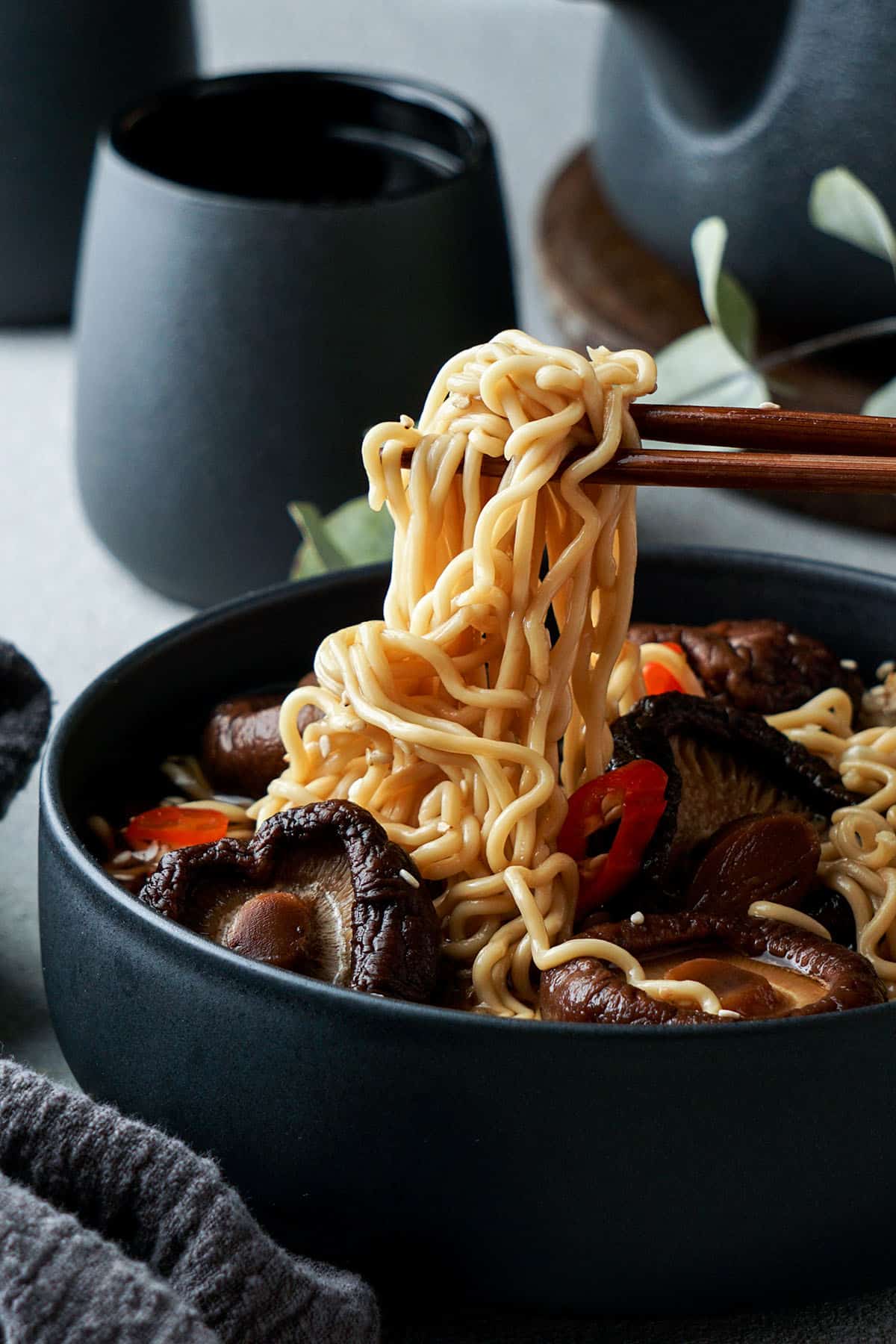
Easy Homemade Chinese Mushroom Noodle Soup: Skip the Takeout and Savor the Flavor
There's something uniquely comforting about a steaming bowl of noodle soup, especially when it's infused with the rich, earthy flavors of mushrooms and a perfectly balanced broth. While the convenience of Chinese takeout is undeniable, the satisfaction of crafting your own
easy homemade Chinese mushroom noodle soup is a culinary experience that truly triumphs. Forget the often-disappointing takeout versions with their bloated noodles, waterlogged vegetables, and surprisingly bland broths – it's time to discover how simple and rewarding it is to create an authentic, vibrant, and incredibly flavorful bowl right in your own kitchen.
Why Homemade Chinese Mushroom Noodle Soup Triumphs Over Takeout
Many of us have fallen victim to the common takeout pitfalls: noodles that swell into a uniform, starchy mass, vegetables that have lost their crispness and vitality, and a broth that, despite its promises, often tastes flat or overly salty. The joy of a truly delicious Chinese noodle soup lies in its fresh components, vibrant textures, and a broth that sings with umami.
When you prepare
Chinese mushroom noodle soup at home, you gain absolute control over every element. You choose the freshest ingredients, control the sodium levels, and ensure that each component is cooked to perfection, retaining its distinct character. The entire process can often be completed in under 30 minutes, making it a fantastic option for a quick weeknight meal that's both healthy and immensely satisfying. Imagine slurping perfectly al dente noodles, biting into tender-crisp mushrooms and vegetables, all enveloped in a deeply aromatic, nuanced broth – an experience far superior to any delivery. This isn't just about cooking; it's about reclaiming the authentic taste and textural pleasure that restaurant versions often miss.
Essential Ingredients for Your Perfect Chinese Mushroom Noodle Soup
The magic of this soup lies in its straightforward yet potent selection of ingredients, each playing a crucial role in building layers of flavor and texture.
*
The Stars of the Show: Mushrooms
While many Chinese noodle soups feature meat, this vegetarian-friendly version shines a spotlight on the humble mushroom. The reference highlights white beech mushrooms, also known as Shimeji. These delicate, slightly crunchy mushrooms offer a wonderful flavor profile and hold their texture beautifully in soup. They are called Shimeji because they traditionally grow on beech tree logs, imparting a subtle, woodsy note. If Shimeji are unavailable, common button mushrooms make an excellent substitute, though you might consider exploring other Asian varieties like earthy shiitake for deeper umami, delicate enoki for a mild crunch, or savory oyster mushrooms. For more specific insights on selecting and preparing these fungi, explore
Shimeji Secrets: Elevate Your Chinese Mushroom Noodle Soup.
*
Noodles: The Foundation of Comfort
Rice vermicelli, those thin, delicate rice noodles, are a traditional choice for this soup, reminiscent of those found in dishes like Singapore noodles. However, the secret to avoiding the "bloated noodle" syndrome of takeout is proper preparation. The golden rule for dried vermicelli (and many other dried noodles) is to *soak them in cold water first*. This crucial step rehydrates them gently, shortening their cooking time and ensuring they emerge tender yet firm, not mushy. This technique is vital for achieving the best texture, allowing them to absorb the broth without becoming oversaturated. For a deeper dive into this essential step, read
Perfect Chinese Mushroom Noodle Soup: Soaking Vermicelli for Success. While rice vermicelli is ideal, you can also experiment with chow mein noodles, ramen noodles, or even thicker wheat noodles if you prefer.
*
Aromatics and Vegetables: Building Flavor and Crunch
Onion and garlic are non-negotiable aromatics, providing a fragrant base. Okra, as mentioned in the reference, adds a unique textural contrast and nutrition. Expanding on this, consider adding fresh ginger for a zingy warmth, and scallions (green onions) for a fresh, pungent finish. Other vegetables like thinly sliced carrots, baby bok choy, or spinach can enhance both nutrition and visual appeal.
*
The Broth: The Soul of the Soup
A good quality chicken or vegetable stock forms the backbone of your soup. While store-bought stock is convenient, you can elevate it further with a dash of soy sauce (light for saltiness, dark for color and a deeper umami), a splash of sherry or rice wine for complexity, and a touch of rice vinegar or lemon juice to brighten the flavors. A few drops of sesame oil added at the very end provide a distinctive nutty aroma, and a hint of hot pepper sauce can add a delightful kick if you enjoy a little heat. The goal is to allow the natural flavors of the mushrooms and vegetables to shine, so avoid over-seasoning initially.
Mastering the Art of Preparing Your Chinese Mushroom Noodle Soup
Crafting this delightful soup is less about complicated techniques and more about thoughtful layering and timing.
1.
Noodle Prep First: Begin by placing your dried rice vermicelli in a bowl and covering them with cold water. Let them soak while you prepare the other ingredients. This simple step is a game-changer for texture.
2.
Building the Flavor Base: In a large saucepan or pot, heat a tablespoon or two of vegetable oil over medium heat. Add your sliced onions, minced garlic, and thinly sliced ginger (if using). Sauté until fragrant and softened, about 2-3 minutes.
3.
Mushroom Magic: Introduce your sliced mushrooms to the pan. Cook them until they release their moisture and begin to turn golden. This caramelization deepens their flavor significantly, creating a rich, earthy foundation for your broth.
4.
Broth and Boil: Pour in your chicken or vegetable stock, along with a cup or two of water. Bring the liquid to a rolling boil.
5.
Noodle & Seasoning Symphony: Once the broth is boiling, drain your pre-soaked noodles and add them to the pot. Immediately follow with your key seasonings: soy sauce, rice wine or sherry, rice vinegar or lemon juice, and a dash of hot pepper sauce. Reduce the heat, cover the pot, and simmer gently for just 2-3 minutes. Overcooking the noodles at this stage is the enemy of good texture.
6.
Finishing Touches: Stir in your okra and most of your chopped scallions. Simmer for another minute or two, just until the okra is tender-crisp. Remove from heat. Drizzle in a touch of sesame oil, which is best added at the very end to preserve its delicate aroma. Taste and adjust seasonings as needed – perhaps a pinch more salt, a dash of white pepper, or a tiny bit of sugar to balance the flavors.
Pro Tip: The key to avoiding mushy vegetables is to add quick-cooking ones like spinach or bok choy in the last minute or two of simmering. This preserves their color, texture, and nutritional value.
Customization and Serving Your Flavorful Creation
One of the great joys of homemade cooking is the ability to tailor dishes to your exact preferences. Your
Chinese mushroom noodle soup is a canvas for culinary creativity.
*
Protein Power-Up: While delicious on its own, you can easily add protein. Sliced chicken breast, shrimp, thinly sliced pork, or cubes of firm tofu (fried or silken) can be added during the last few minutes of simmering to cook through.
*
Vegetable Variety: Don't hesitate to incorporate other quick-cooking vegetables. Shredded carrots, bean sprouts, snow peas, or even a handful of baby spinach or bok choy leaves are excellent additions.
*
Spice It Up: If you love heat, consider adding sliced fresh chilies, a dollop of chili garlic sauce, or a swirl of chili oil directly to your bowl.
*
Garnish Game: Presentation matters! Garnish your soup with fresh cilantro, extra chopped scallions, a sprinkle of toasted sesame seeds, or a drizzle of your favorite chili oil. These not only add visual appeal but also a burst of fresh flavor and aroma.
Serve your
easy homemade Chinese mushroom noodle soup immediately while it's piping hot. The delightful aromas and vibrant textures are best enjoyed fresh. Leftovers can be stored in an airtight container in the refrigerator for 2-3 days, though the noodles may absorb more broth over time.
In conclusion, making your own
Chinese mushroom noodle soup is a simple yet profoundly rewarding culinary adventure. It's a chance to savor fresh, vibrant flavors, enjoy perfect textures, and completely bypass the common disappointments of takeout. With just a few fresh ingredients and thoughtful preparation, you can create a comforting, healthy, and incredibly delicious meal that will undoubtedly become a new favorite in your home kitchen. So, gather your ingredients, follow these tips, and prepare to delight your taste buds with a truly exceptional homemade Chinese soup.